Government Intervention | A-Level Economics Notes
These revision notes cover everything you need to know about Government Intervention for A-Level Economics. They're designed for students studying AQA A-Level Economics, Edexcel A-Level Economics, and Edexcel International A-Level Economics. Written by Jaisul Naik, UCL Economics graduate and A-Level Economics tutor since 2017.
What is price regulation?
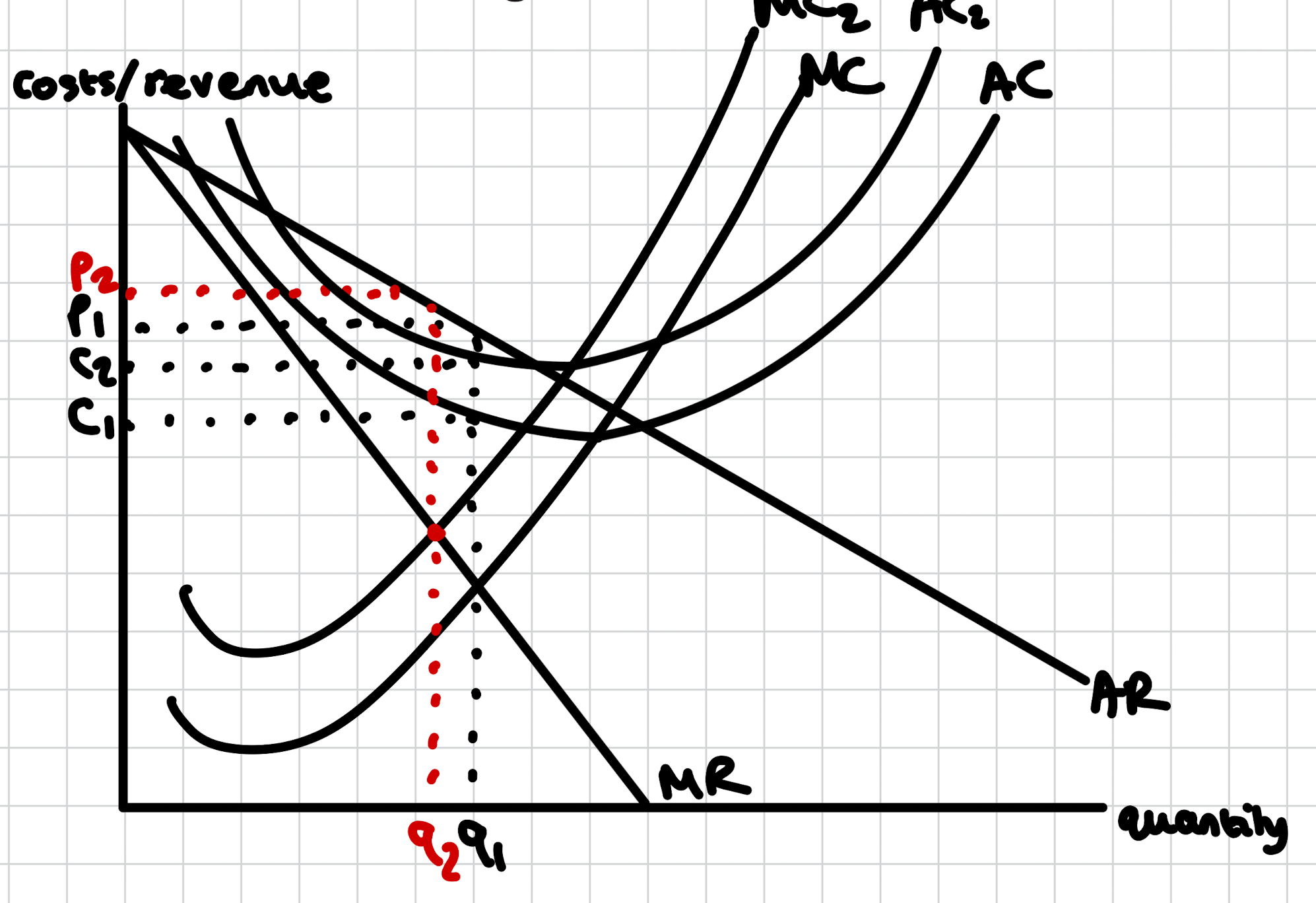
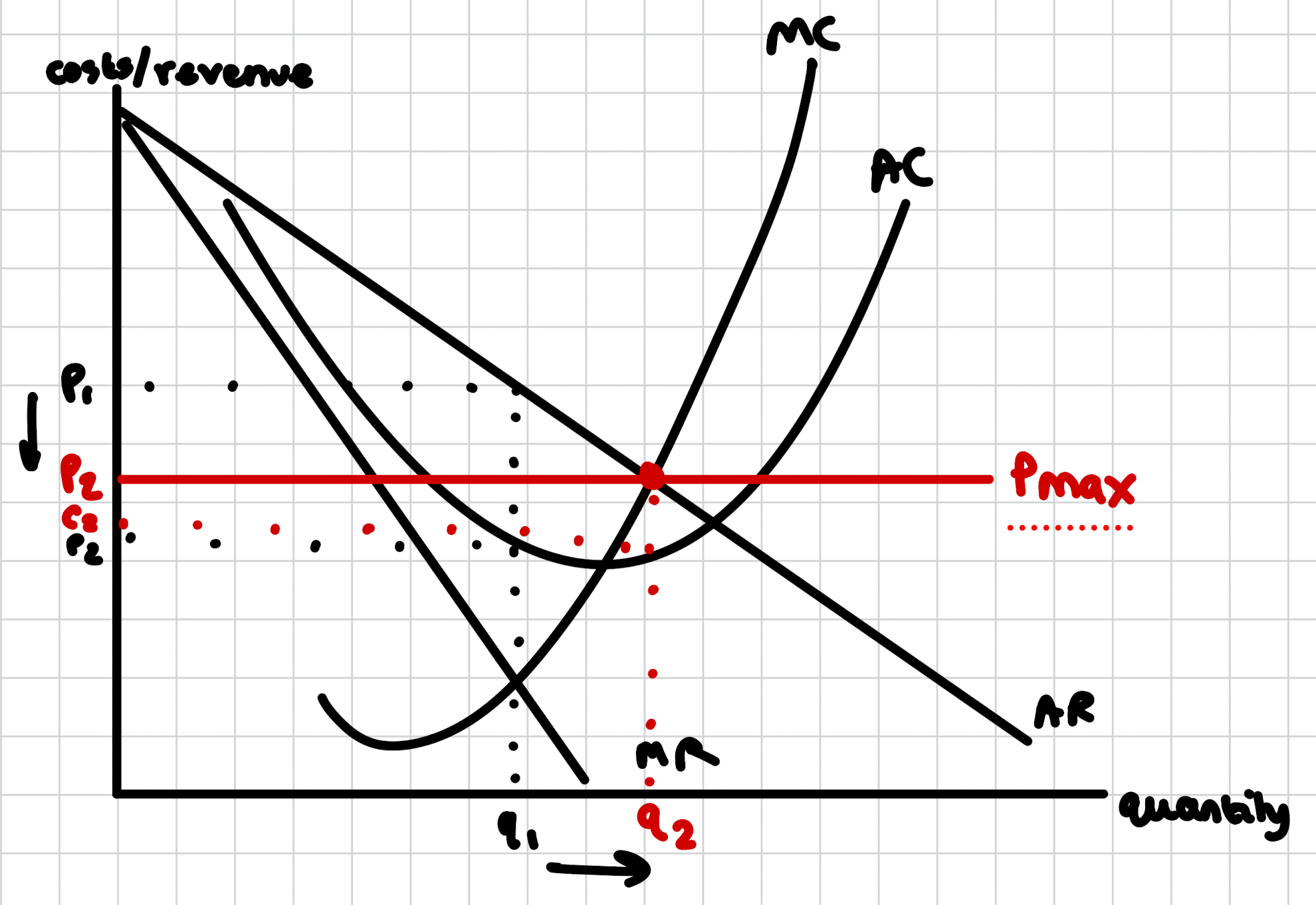
The government can intervene to prevent monopolies from overcharging customers. They can use traditional price caps (maximum prices) which can force firms to move towards an allocatively efficient price. They can also use regulation that prevents firms from raising prices further each year.
Regulation can be strict, in the form of RPI-X, or flexible in the form of RPI+/-k.
The idea being that firms (energy, phone, broadband companies) should not be able to raise their prices by significantly more than the inflation rate each year.
Regulators should also consider whether monopolies are re-investing their profits and achieving dynamic efficiency, regulation may be more flexible allowing firms to raise prices by RPI+k
What is profit regulation?
Profit regulation is useful if it is difficult for firms to control their prices.
For example, energy costs vary quite frequently, which means it would be difficult for energy companies to maintain the same price each month.
Regulators could then allow firms to get a return on their costs and also allow them to make an extra return dependent on how much capital they have invested in.
What are quality standards and performance targets?
Regulators can fine monopolies for not meeting quality standards or performance targets.
Natural monopolies can have little incentive to re-invest or improve quality as there is no threat of competition.
For example, train companies can be fined for exceeding a certain number of delays.