Discuss the advantages and disadvantages of oligopolies
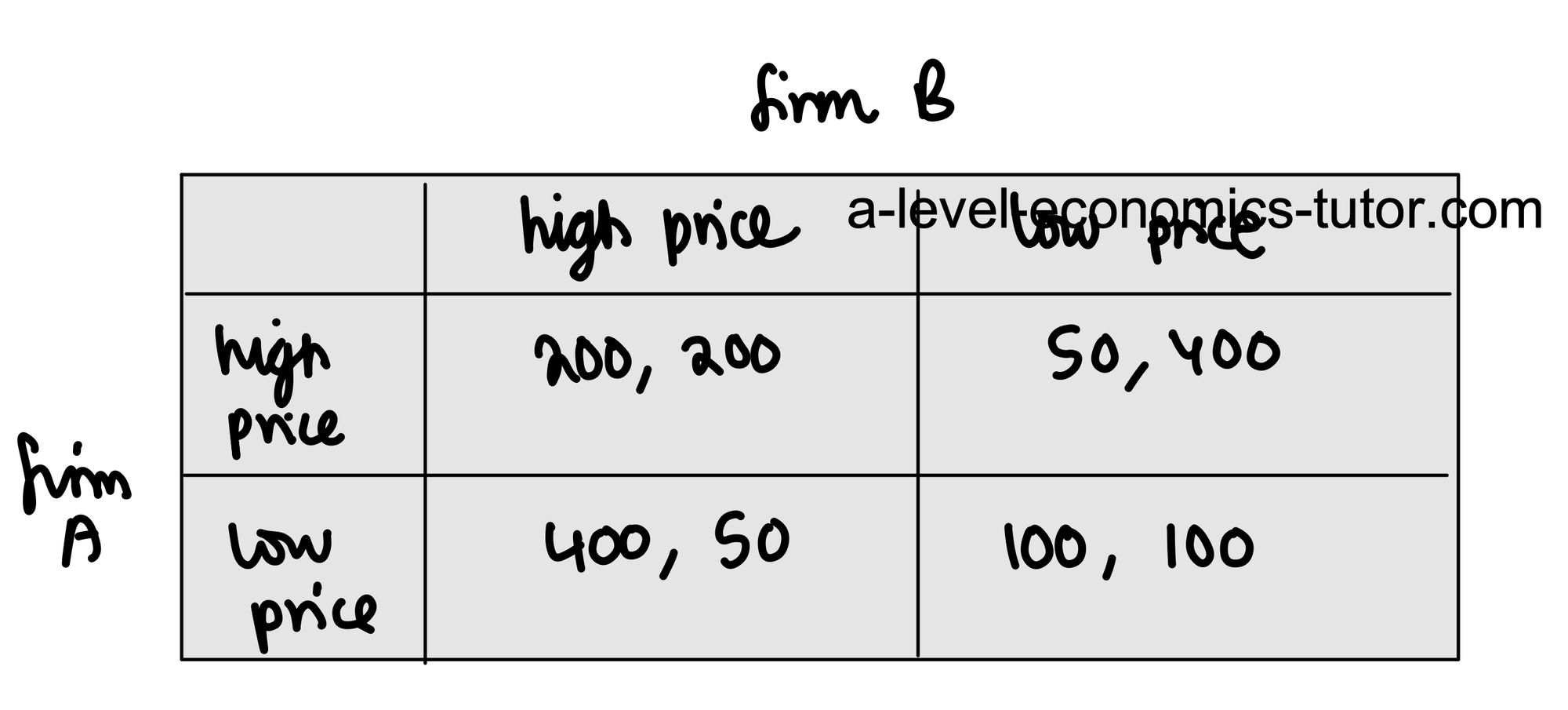
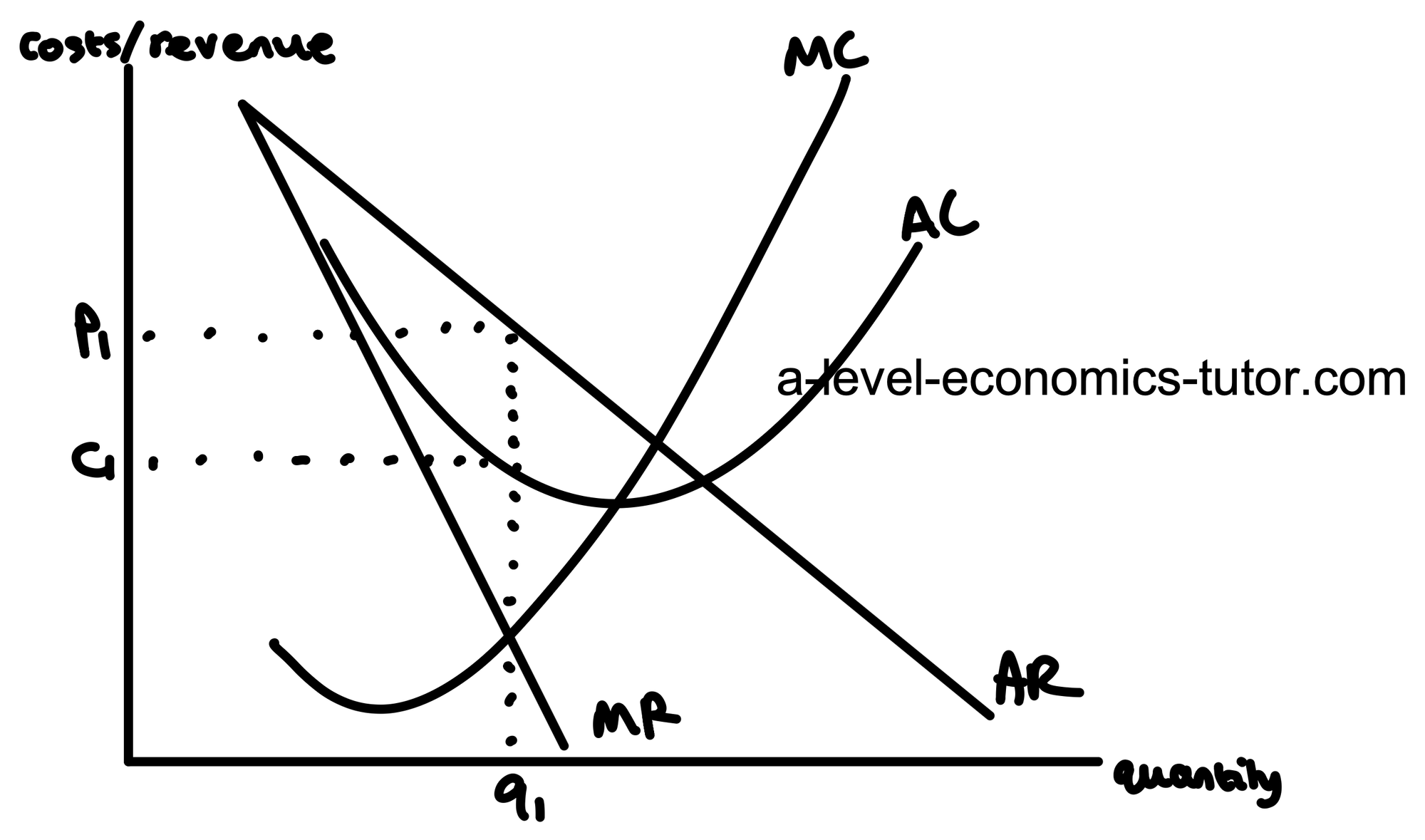
One disadvantage of an oligopoly is that there is a high risk of collusion. Despite collusion being illegal in the UK and EU, firms could still attempt to collude secretly. An oligopoly is a market structure that usually has high barriers to entry and some degree of product differentiation. This threat of tacit collusion becomes more likely when barriers to entry are especially high, and there are fewer firms sharing a similar market share. These firms can agree to set high prices, and limit output, allowing them to operate as if they were a monopoly. The two-firm, two-outcome model below shows how firms must decide between setting a higher price or a lower price. The safest option for firm A is a low price because it is the better option regardless of the other firm's strategy. The same is true for firm B. The only way that both firms can improve their outcomes is by collectively agreeing to both set a high price. Given that both firms are aware of this, there is an incentive for them to collude. This would involve firm A and firm B secretly agreeing to set high prices together, allowing them to act like a monopoly. This means that they can both restrict output and overcharge consumers. The second diagram shows the costs and revenue of a firm with monopoly power; the firm charges a price of p1, and makes significant supernormal profits (shaded rectangle). This outcome is allocatively inefficient as price is far greater than the marginal cost of the last unit produced. This means that social welfare is not being maximised, and consumer surplus is much lower than it could have been if this market was more competitive. Consumer surplus is the difference between the price consumers are willing to pay, and the price they actually pay. Overall, oligopolies can be damaging to society as there is a threat of collusion and therefore high prices.
However, one advantage of oligopolies is dynamic efficiency. This can only be achieved when firms are making supernormal profits in the long-run. Firms that are part of an oligopoly are likely to be profitable due to the high barriers to entry and high degree of product differentiation, giving them more price-making power. In addition, any form of collusion would add to the ability of a firm to set their own prices. Dynamic efficiency can be achieved when firms are able to reduce costs and improve and innovate their products over time. By making long-run supernormal profits, firms gain the ability to reinvest consistently. For example, Apple have reinvested their profits and innovated their products; such as improving their headphones and offering AirPods which can now also serve as hearing aids. Over time, customers can benefit from greater satisfaction. Therefore, customers would be willing to pay more for Apple products, so they can possibly enjoy greater levels of consumer surplus, leading to an increase in social welfare. At the same time, increased product differentiation can allow firms like Apple to maintain or gain even greater market share, making improvements even more sustainable over time.
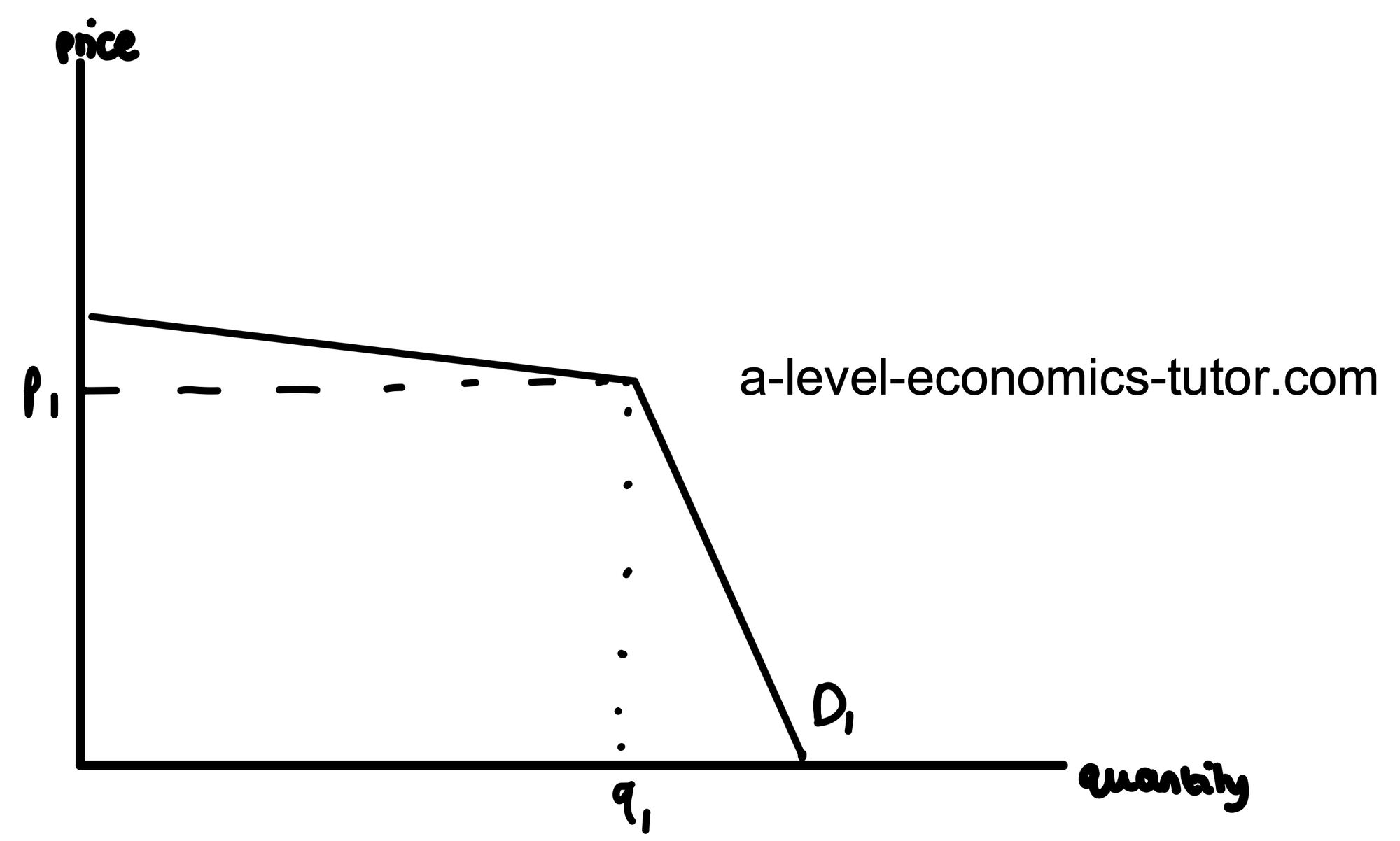
One advantage of an oligopoly is that customers can usually expect price stability. This is demonstrated by the kinked demand curve. An oligopoly is a market structure that is dominated by a few firms. In an oligopoly, there are usually relatively high barriers to entry and there is some degree of product differentiation. Firms in an oligopoly are interdependent, which means that one firm's decisions affect the other firms, especially in terms of pricing. The kinked demand curve shows how it is difficult for firms to compete on price. At prices above p1, average revenue is elastic, which means that a higher price leads to a greater proportional decrease in quantity demanded. This is because customers are likely to buy from other firms in the market, who are cheaper. At prices below p1, average revenue is inelastic, which means a lower price leads to a smaller proportional change in quantity demanded. This is because other firms will also charge a lower price to prevent being undercut, due to a fear of losing market share. Lower prices could also start an unnecessary price war. Therefore, both higher prices and lower prices would lead to a fall in total revenue for the firm. Overall, the model explains why consumers can expect prices to be quite stable in an oligopoly. In addition to this, firms compete on non-price factors to attract or keep customers, and this means that customers can further benefit from a variety of choice in terms of customer service and loyalty rewards. For example, most coffee shops are likely to offer stamps and rewards to regular customers.
However, the assumptions of the kinked demand curve may not hold true in reality, and therefore some firms do end up changing prices and gaining revenue from this decision. Firstly, firms that produce a higher level of output will have lower long-run average costs due to their ability to exploit greater economies of scale, such as bulk-buying. Therefore, they have a greater ability to remain profitable even when cutting prices. This means that they can limit pricing, and this makes it more difficult for the smaller firms in the market to compete. We have seen Aldi's strategy of lowering prices being matched or beaten by larger supermarkets with 'Aldi Price Match' stickers. Secondly, firms with the best branding and greatest customer loyalty may be able to increase prices due to customer inertia, which occurs when customers continue to buy from the same brand out of habit. This means that some of the larger firms can raise prices yet demand falls by a smaller proportion, allowing them to increase their revenue. Some firms are also able to have local monopolies by owning stores in remote areas such as motorways and airports, and therefore charge higher prices without losing any customers.
A-Level Economics Tutoring
I offer one-to-one and small group A-Level Economics tutoring for students across the UK and internationally. With 100+ five-star Google reviews and tutoring experience since 2017, I specialise in helping students understand difficult concepts and improve their exam technique.