Explain the effects of deflation
Deflation can be damaging as it can trigger a deflationary spiral. Deflation occurs when there is a fall in the average price level. When prices are falling in the economy, rational consumers form an expectation that prices will continue to fall. This means that consumers are likely to delay their spending as they expect expensive purchases like homes to be cheaper if they waited. This leads to a fall in consumer spending, which causes aggregate demand to decrease. This causes the price-level to fall further, reinforcing the spiral. Additionally, as aggregate demand falls, real GDP decreases as there will be a fall in the value of goods and services being produced. This leads to a fall in the derived demand for labour, causing unemployment to rise. This causes disposable incomes and consumer confidence to fall, causing consumption and aggregate demand to fall further. This means that deflation can cause a negative multiplier effect, which can lead to a recession if not managed properly.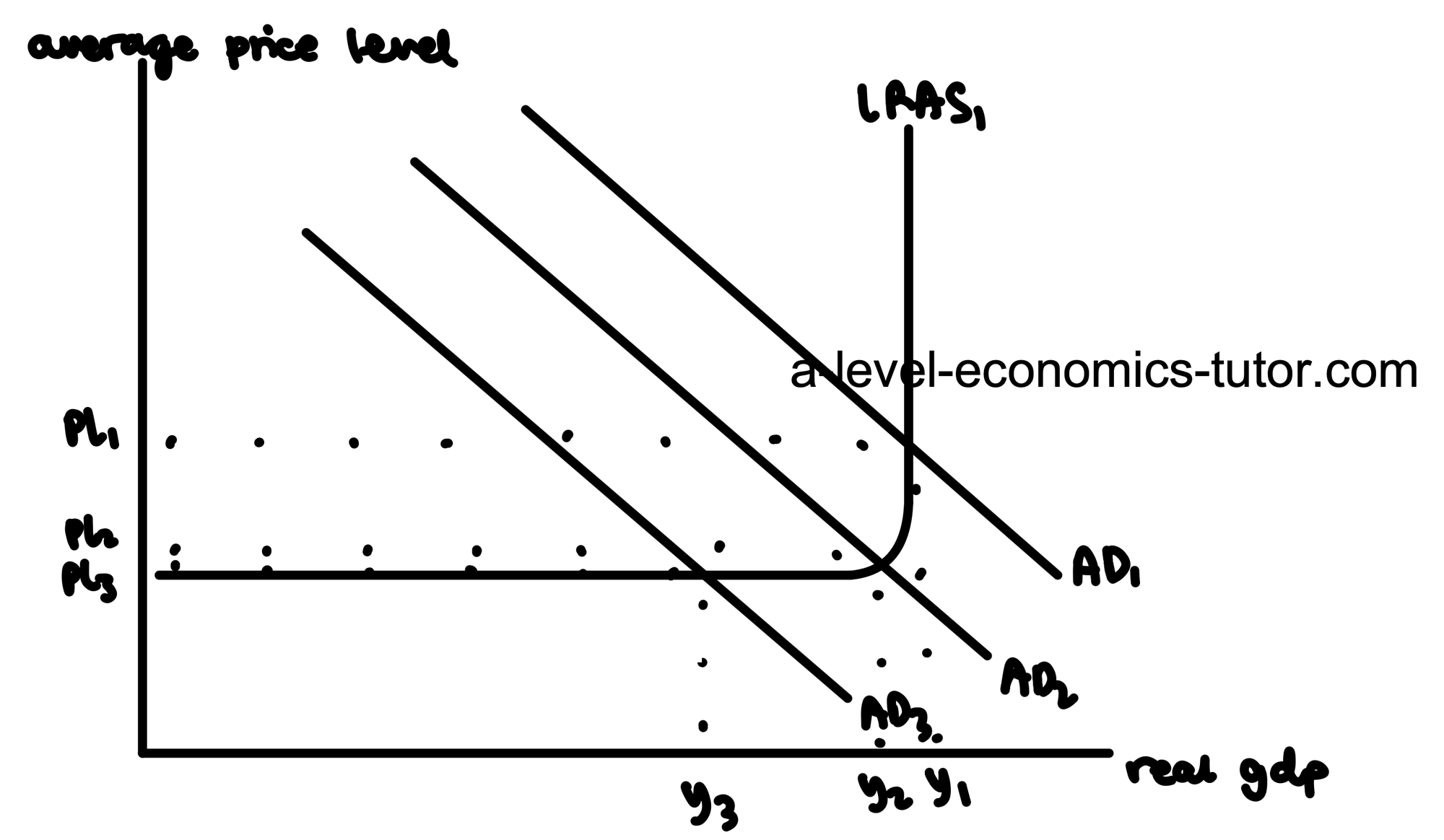
One problem with deflation is that it causes the real value of debt to increase. This affects consumers, businesses and the government. Deflation occurs when there is a fall in the average price level. This means that asset prices will fall whilst the debt owed remains the same. For example, house prices might fall but the mortgage repayments owed would remain the same. This means that a larger proportion of people's income now goes towards their fixed mortgage repayments in real terms, so their disposable incomes would fall, and therefore they would be able to afford fewer goods and services. Therefore, they would be able to satisfy fewer needs and wants, so their living standards would fall. Additionally, businesses would face a similar issue in terms of the debt they owe for any land or machinery. This means their profits would fall as they are paying more towards their debt in real terms, whilst having to reduce their prices along with the deflation rate. Finally, the government would also have to pay the same nominal amounts towards any national debt, whilst tax revenues are likely to fall along with the deflation rate. This happens because workers' incomes might fall, and receipts from indirect taxes are also likely to fall due to lower consumer spending.
One possible positive of deflation is that it can be a sign of a strong supply-side. Deflation occurs when there is a fall in the average price level. For example, the government could implement supply-side policies like infrastructure spending. One example of this is HS2 which would provide much faster transport links around the UK when complete. This would allow businesses to produce more output with the same factors of production. This would lead to an increase in the productive potential of the economy. If this is not matched by increases in aggregate demand, then this would create a negative output gap, which is when the actual rate of economic growth is slower than the trend rate of economic growth. Naturally, this causes a low or falling price level until aggregate demand increases and the economy adjusts closer to full capacity. This means that there is now more room for demand-side growth, through fiscal or monetary policy.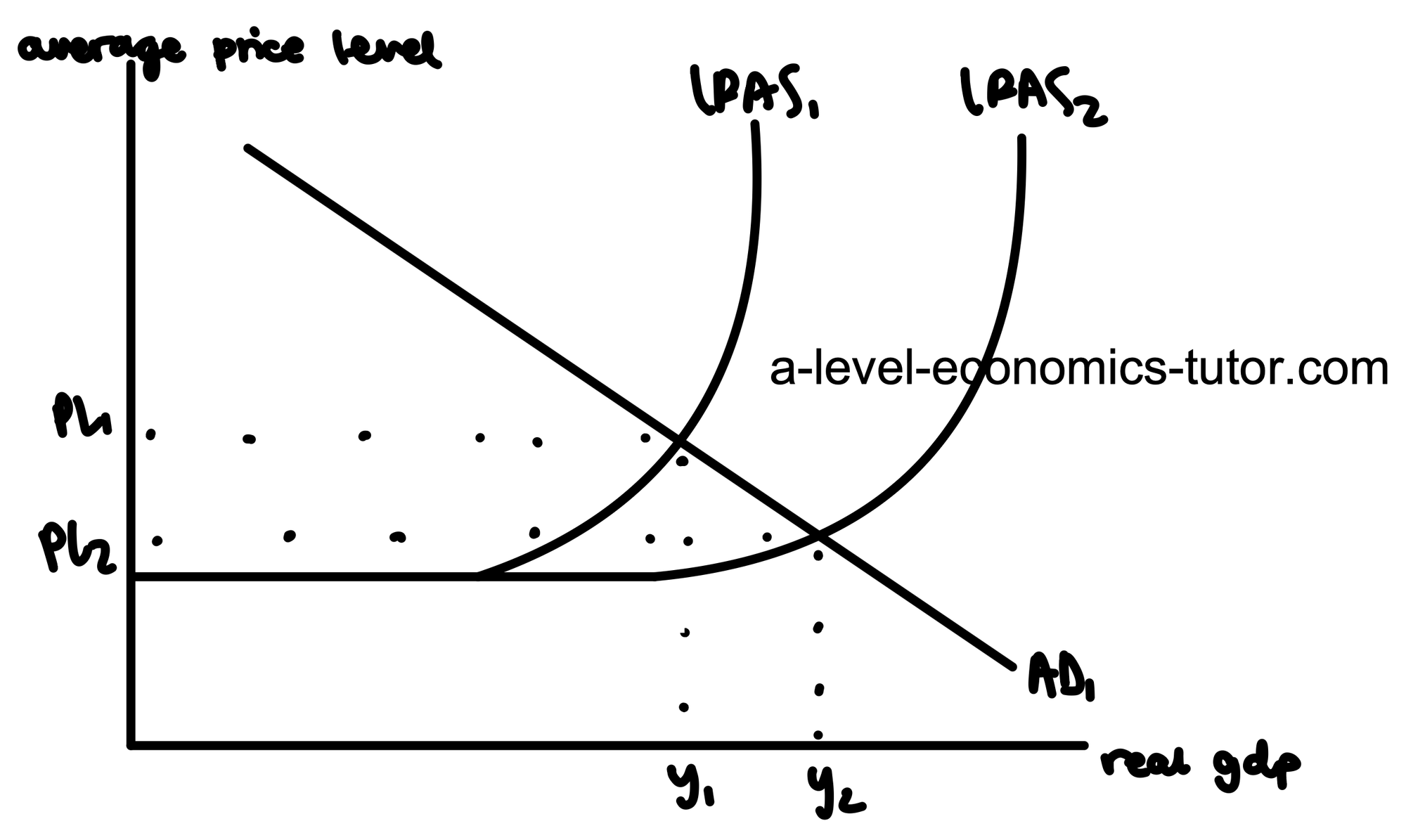
One possible advantage of deflation is that it can lead to an improvement in the balance of payments on the current account. Deflation occurs when there is a fall in the average price level. Firstly, this makes UK goods and services more internationally competitive. This means that exports are likely to increase. Secondly, as prices, and possibly incomes, are falling in the UK, domestic alternatives become relatively cheaper, meaning imports seem more expensive. This makes it likely that imports will fall. This means that there should be a fall in the UK's current account deficit.
A-Level Economics Tutoring
I offer one-to-one and small group A-Level Economics tutoring for students across the UK and internationally. With 87+ five-star Google reviews and tutoring experience since 2017, I specialise in helping students understand difficult concepts and improve their exam technique.