Discuss the advantages and disadvantages of nationalisation and privatisation
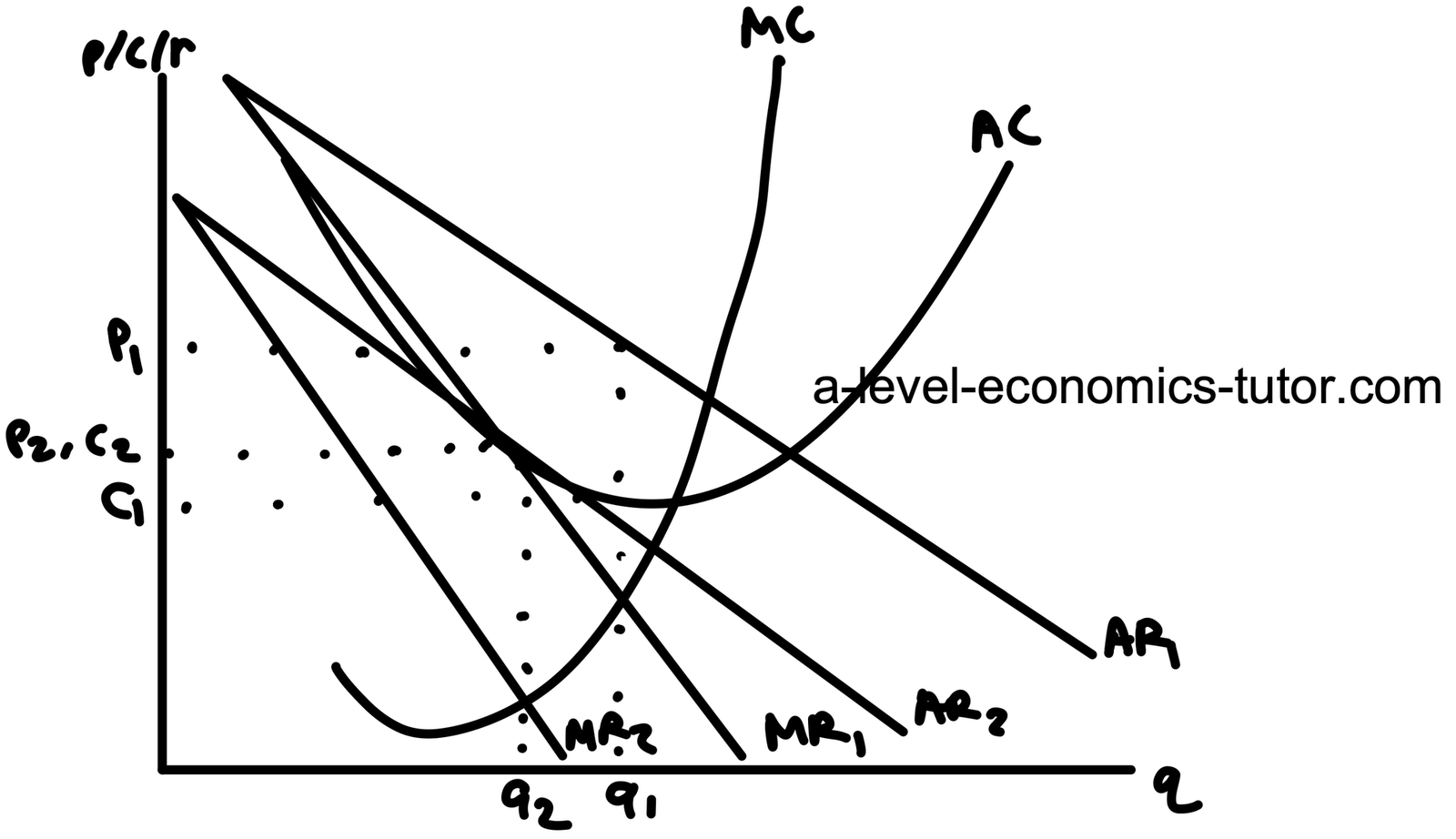
One advantage of privatisation is a decrease in X-inefficiency. X-inefficiency occurs when there is waste and firms do not minimise their average costs at every given level of output. Privatisation is when the government sells or transfers an industry to the private sector. A state-owned monopoly would have a weak incentive to cut costs because they are not motivated by profits, and any potential losses can be subsidised through tax revenue. In comparison, a private sector firm has much stronger incentives to minimise costs because this allows them to maximise profit, which is an entrepreneur’s reward for taking the risk to own a business. Therefore, in the short-run, firms are X-efficient because minimising costs ensures the greatest level of supernormal profit. It is also unlikely that firms are X-inefficient in the long-run, but this can depend on the market structure. If a firm has monopoly power, they may experience some X-inefficiency because they can cover any waste with their high prices, but even then, firms are usually still motivated to achieve maximum profits. Alternatively, if a market has been deregulated, this means that barriers to entry have been reduced or removed, making it contestable. For example, the government privatised Royal Mail in 2013 and 2015, making it more vulnerable to competition from firms like DPD and Evri. If existing firms are making supernormal profits in the short-run, there is an incentive for new firms to enter the market. Assuming that barriers to entry are low enough, new firms would enter the market, causing existing firms to experience a fall in their market share and a fall in their revenues. In the long-run, existing firms are only able to make normal profits, as shown in the diagram below. Firms produce at the new profit-maximising point where MC = MR₂, causing a fall in price from p1 to p2. Firms are under pressure to avoid waste because, in the long-run, if average costs are any higher than this, firms would make subnormal profits, which would cause them to exit the market. Overall, privatisation is likely to lead to a fall in X-inefficiency.
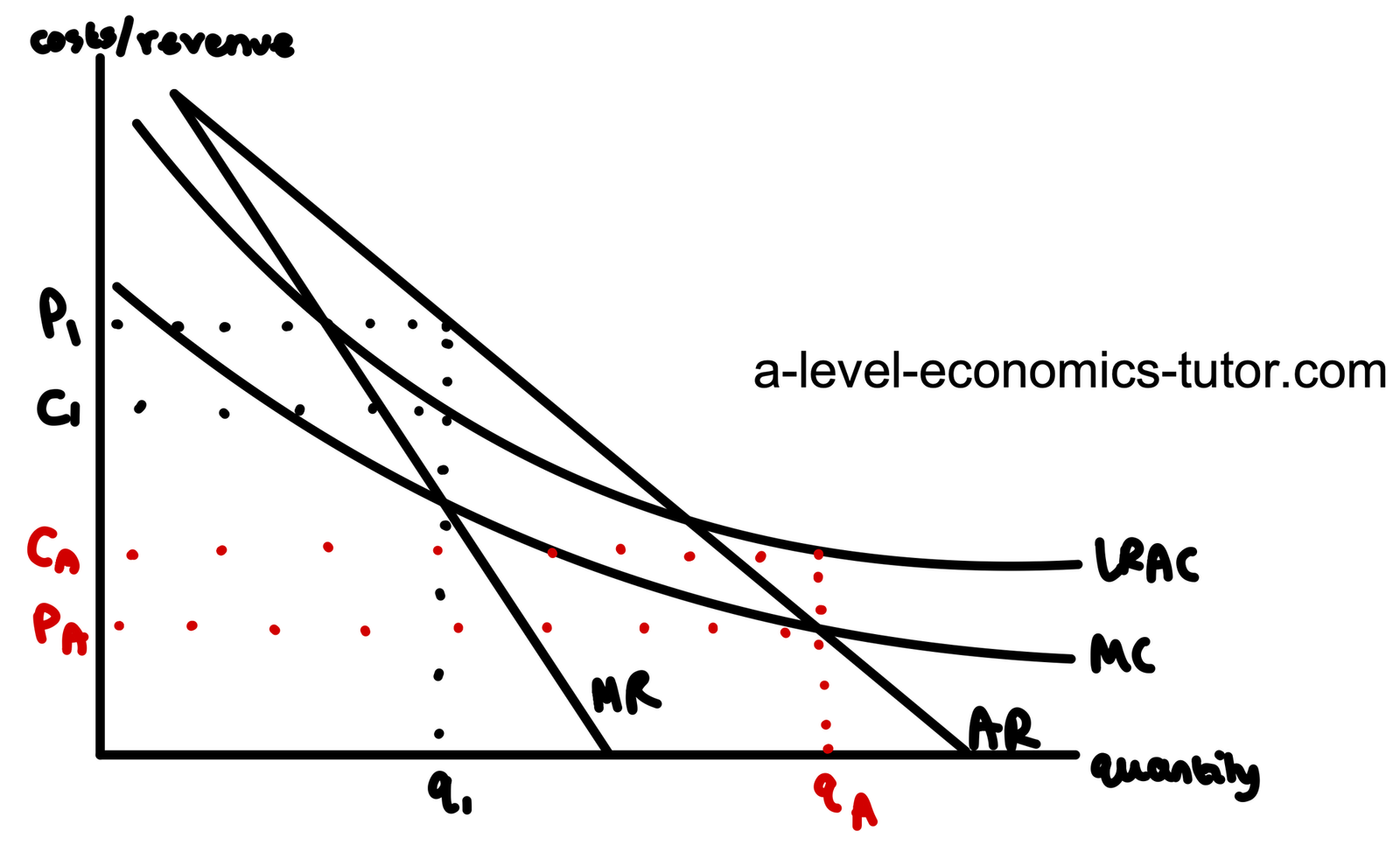
One advantage of nationalisation is an increase in allocative efficiency. Allocative efficiency occurs at the point where marginal costs equal average revenue (MC=AR), meaning that social welfare is maximised. Nationalisation is when the government takes ownership and control of an industry from the private sector. For example, the government might consider nationalising the water industry, which could allow consumers around the UK to benefit from lower water bills and greater satisfaction. Firms in the private sector often aim to maximise profit, which is the entrepreneur's reward for taking the risk to own a business. Firms can maximise profits by producing at the point where marginal costs equal marginal revenue (MC=MR). In comparison, the government is more likely to make decisions that maximise social welfare instead. The government can ensure that social welfare is maximised by producing at the point where marginal costs equal average revenue (MC=AR). This means that consumers can benefit from lower prices and a higher output, and therefore consumer surplus increases; this is the difference between the price that consumers pay and the highest price that they would have been willing to pay for a good or service. Overall, a lower price might mean that producer surplus falls but consumer surplus rises and social welfare is maximised. At this point, it is impossible to make someone better off without making someone else in society worse off. Overall, nationalisation can lead to an improvement in allocative efficiency.
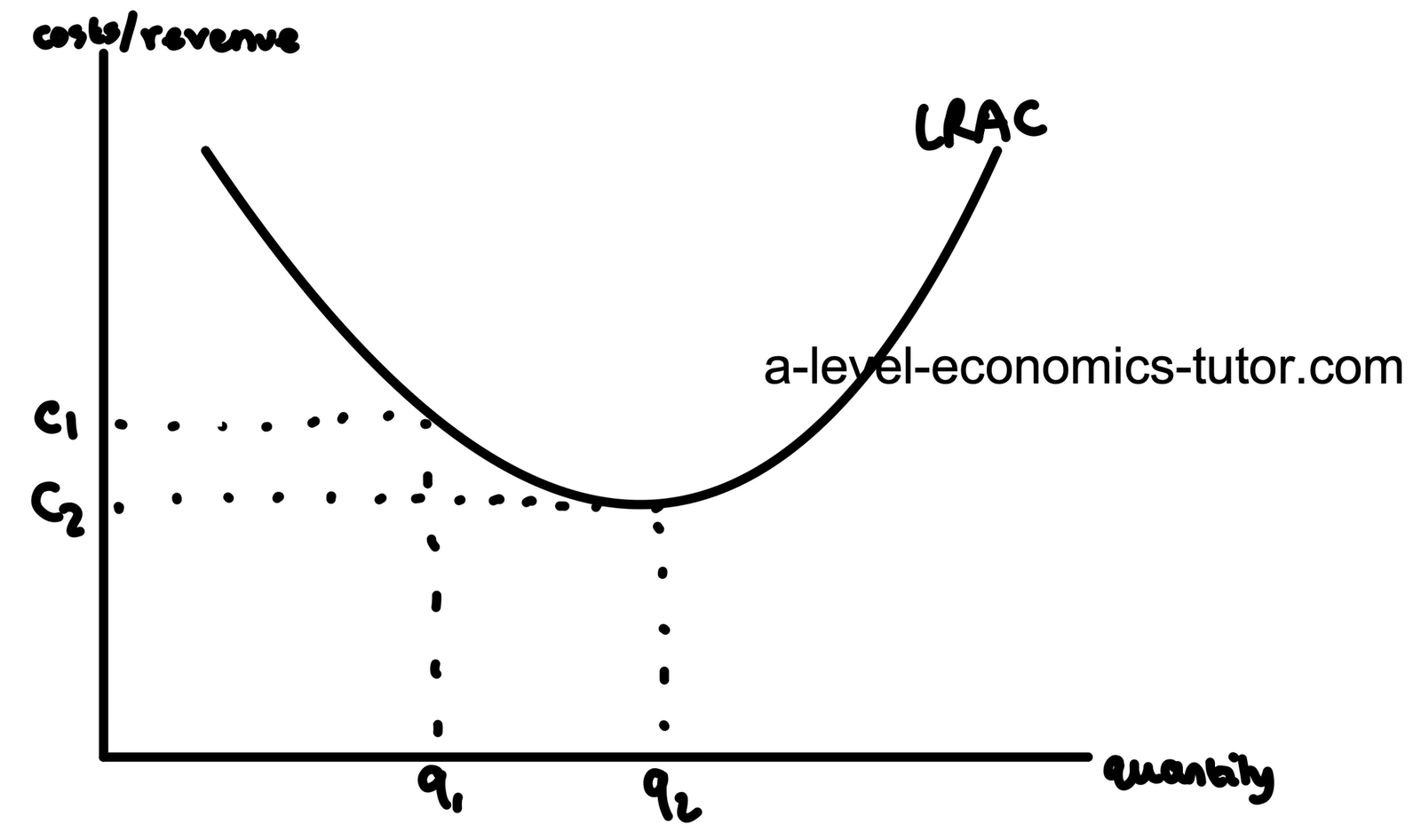
One advantage of nationalisation can be an increase in productive efficiency. Productive efficiency occurs at the point where marginal costs equal average costs (MC=AC), meaning that average costs are being minimised. Nationalisation is when the government takes control and ownership of an industry from the private sector. In the private sector, firms are likely to restrict output to the point where marginal costs equal marginal revenue (MC=MR) in order to maximise profits. In comparison, the government would be more willing to increase output, even if it means that profits fall. By increasing output, the firm can exploit greater economies of scale like bulk-buying, allowing them to reduce long-run average costs. This is relevant for many industries but especially for industries like water, which is a natural monopoly. A natural monopoly exists when the most efficient number of firms in the market is one. This is because there are extremely high fixed costs in these industries due to infrastructure costs. This means that increasing output will lead to decreasing long-run average costs even at a high level of output, so an extremely high level of output is needed to reach the firm's minimum efficient scale. The diagram below shows how an increase in output from q1 to q2 leads to a fall in long-run average costs from c1 to c2. The closer the firm or the industry gets to the lowest point of their average cost curve, the more efficiently factors of production are being utilised. Overall, nationalisation can lead to an increase in productive efficiency.
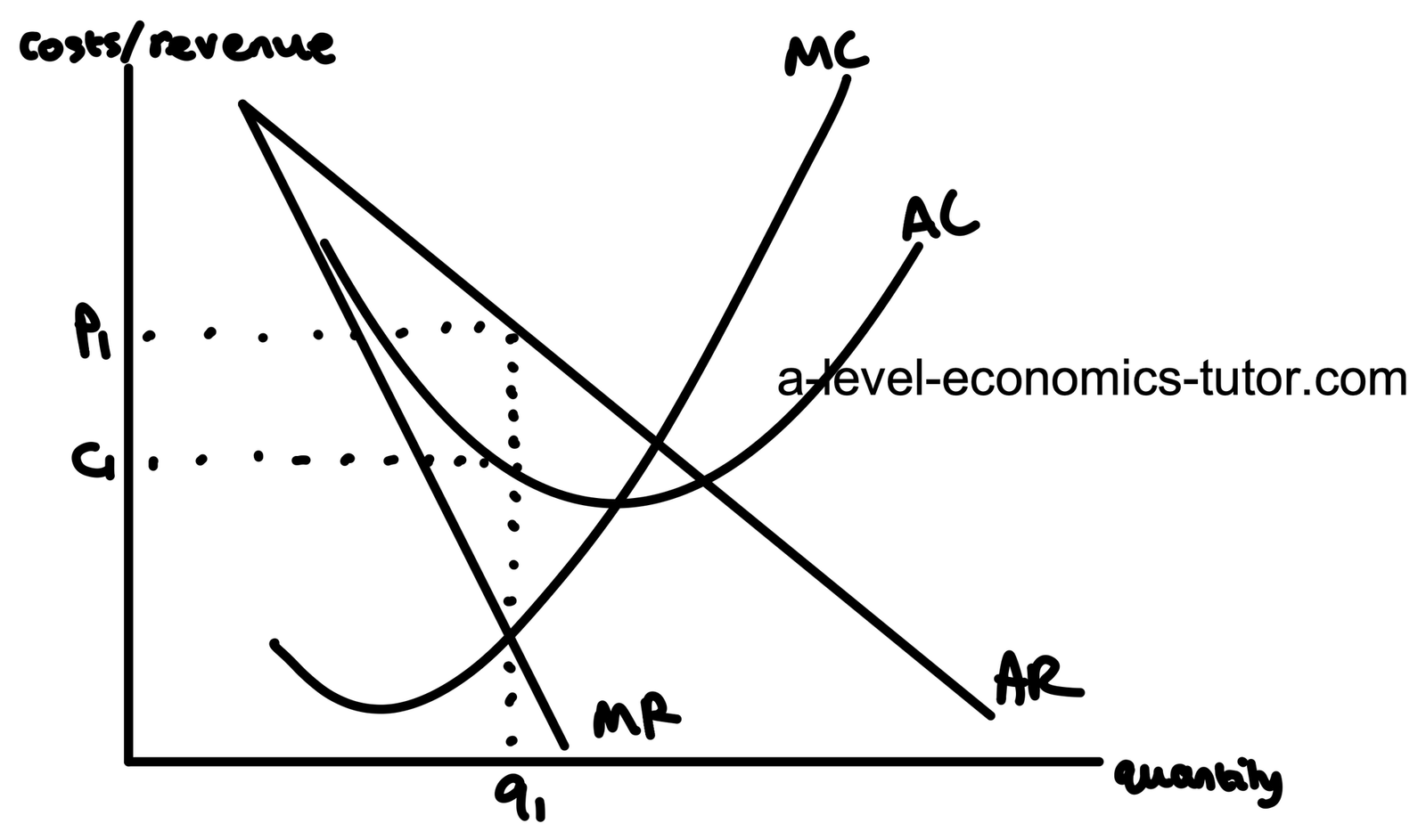
One advantage of privatisation can be an increase in dynamic efficiency, assuming that firms have monopoly power. Dynamic efficiency occurs when firms are able to improve and innovate their products over time, by reinvesting long-run supernormal profits. Privatisation is when the government sells or transfers an industry to the private sector. In comparison to a state-owned monopoly, a private sector firm has much stronger incentives to maximise profits, because this is an entrepreneur’s reward for taking the risk to own a business. In order to maximise profits, firms produce at the point where marginal costs equal marginal revenue (MC=MR). The diagram below shows that this leads to a price p1 and an output q1, which means that the firm is able to generate supernormal profits, as shown by the shaded rectangle. If barriers to entry are high enough, firms can continue to make supernormal profits in the long-run. This means that firms have the ability to reinvest supernormal profits consistently, which allows firms to improve and innovate. Firms can improve and innovate their product, which leads to greater customer satisfaction. Firms can also improve and innovate their methods of production, leading to lower average costs over time, allowing customers to benefit from lower prices over time. Overall, in a market with monopoly power, privatisation can allow for greater dynamic efficiency.
A-Level Economics Tutoring
I offer one-to-one and small group A-Level Economics tutoring for students across the UK and internationally. With 100+ five-star Google reviews and tutoring experience since 2017, I specialise in helping students understand difficult concepts and improve their exam technique.